What Items Are Banned From a Roll-Off Dumpster?
The short list: paints and solvents, motor oil and fuel, propane tanks, tires, car batteries, refrigerants (fridges, AC units), asbestos, medical waste, and anything still smoking or hot from a fire. These aren't picky rules from us. Landfills and transfer stations that receive roll-off dumpster loads screen for exactly this stuff, and a container full of banned material can get flagged before it ever leaves the site. If you're not sure whether something qualifies, ask before you toss it. Renting a 10 yard dumpster for a garage cleanout is a different job than clearing out a shop full of solvent cans, and the rules don't bend based on container size. Electronics with batteries, mattresses in some cases, and large appliances often need to be called out ahead of time too. If you're planning a bigger teardown, our construction dumpster rental page covers what a job site load typically includes, and dumpster sizes and dimensions can help you figure out whether a 20, 30, or 40 yard dumpster even fits what you're hauling.
Why Can't Paint or Chemicals Go In With Regular Debris?
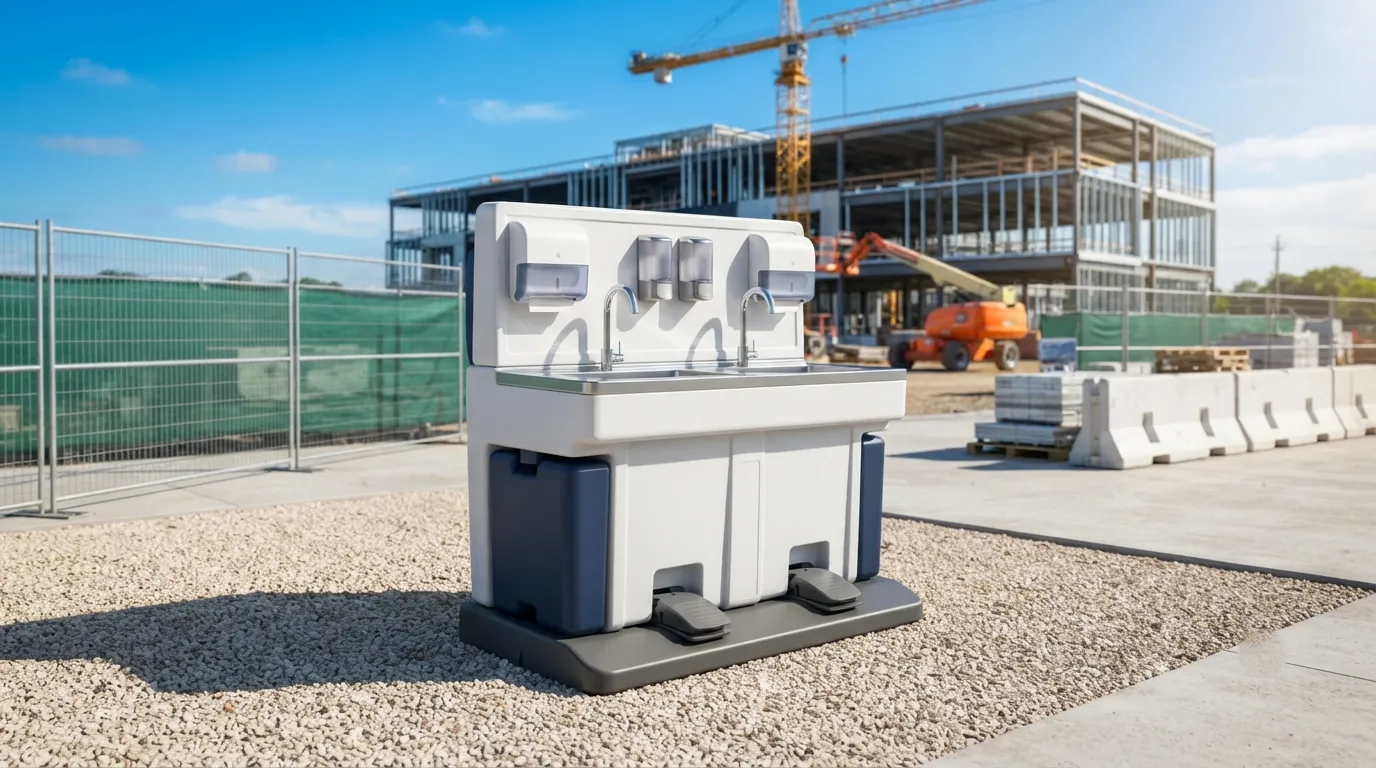
Because they contaminate everything else in the container and create a hazard for the crew that handles it later. Paint cans, herbicide containers, and anything with a fuel or solvent smell fall under a different disposal stream entirely. If a work crew has been spraying coatings, herbicides, or insecticides on a job in North Little Rock, OSHA 1926.51(f)(1) requires washing facilities be available for that exposure, which is a separate concern from dumpster contents but points to the same reality: these chemicals are treated as hazardous, not household trash. Dried, empty paint cans are usually fine, full or half-full cans are not. Same logic applies to old gasoline, pesticide containers, and pool chemicals. If your renovation involves stripping paint or applying coatings, pair your roll-off dumpster rental with a plan for liquid waste, because mixing the two voids the load.
What Happens If Banned Items End Up In My Dumpster?
You'll likely see an extra charge, or the container gets held until the material is pulled out. This is one of the most common surprises with a dumpster rental cost estimate, because the quote assumes a clean load of ordinary debris, not tires or a chest freezer. Weight matters too, and it's worth checking dumpster weight limits before loading concrete, shingles, or dirt, since overage fees stack on top of a contamination fee if both problems show up at once. For most North Little Rock renters this never comes up, because the debris is drywall, wood, flooring, and general household junk. It's the edge cases, like an old propane grill tank or a stack of car batteries from a garage, that catch people. If you're clearing out a whole property, our what cannot go in a dumpster guidance pairs well with checking local rules first; permit and placement questions are handled separately on dumpster permit requirements.
Where Should Banned Materials Actually Go?
Most hazardous household items have a separate drop-off path, and it's worth sorting them out before your dumpster even arrives. Paint, batteries, and electronics often go to a dedicated collection point rather than curbside pickup. Tires usually need a tire retailer or a scrap yard. If you're dealing with septic waste instead of solid debris, that's a different service entirely; see septic pumping service or check how often to pump a septic tank if that's actually what's backing up on the property. Grease from a commercial kitchen also doesn't belong in a roll-off; a grease interceptor is typically pumped once fats, oils, and solids reach about 25 percent of the liquid depth, which is a job for grease trap pumping, not a dumpster. If you're within reach of North Little Rock, note that Sherwood sits about 6.9 miles north and Jacksonville about 10.1 miles northeast, and our crews cover both if your drop-off point or job site is closer to one of those towns than to the main yard.
| Banned Item | Why | Where It Goes Instead |
|---|---|---|
| Paint (wet) | Contaminates load | Household hazardous waste site |
| Car batteries | Corrosive, recyclable | Auto parts retailer |
| Tires | Landfill restriction | Tire shop or scrap yard |
| Refrigerant units | Requires reclamation | Appliance recycler |
| Asbestos | Health hazard | Licensed abatement contractor |
Can I put a mattress in a roll-off dumpster?
Sometimes, but check first. Some North Little Rock haulers restrict mattresses because they jam compaction equipment. If it's allowed, expect it counted toward the load. Ask when you book your standard porta potty rental or dumpster order so there's no surprise at pickup.
What about old propane tanks?
No. Propane tanks, even empty ones, can't go in with regular debris because of residual pressure risk. Most hardware stores or gas suppliers will take an empty tank for exchange or recycling instead.
Can I throw away shingles or concrete?
Usually yes, but weight is the issue, not the material itself. Concrete and shingles are heavy, and a full load can exceed the container's rated capacity fast. Check dumpster weight limits before you fill it.
Does yard waste count as banned material?
No, yard waste is typically fine in a standard load. Branches, leaves, and grass clippings break down and don't contaminate the container. Large stumps or heavy root balls may need a call ahead, though, since they add serious weight quickly.
What if I'm not sure an item is allowed?
Ask before it goes in. A quick call to confirm saves a contamination fee later, and our request a quote page is a fast way to reach someone before your rental even arrives on site.
Next step
Get a delivery date
Tell us the address, the dates and the headcount. We size the order and confirm the route.